.svg)

.svg)


Learn IT procurement best practices for success. Discover actionable IT procurement solutions and IT procurement strategy to optimize your business technology.

April 29, 2026
.avif)
.avif)
.avif)
Businesses of all sizes rely on technology to keep things running smoothly. Choosing the right managed IT service can help organizations avoid unexpected downtime, improve cybersecurity, and ensure compliance with industry rules. In this blog, you'll learn about the benefits of managed IT services, how service providers support your business, and practical steps to make the most of these solutions. We'll also cover key features, common challenges, and answer frequently asked questions to help you decide if managed IT services are right for you.
Managed IT services offer more than just technical support. They allow you to focus on your core business while experts handle your IT systems. By working with a managed service provider, you can access proactive monitoring, reduce risks, and keep your technology up to date.
A managed IT service provider can help you avoid costly downtime and keep your data safe. They use remote monitoring tools to spot issues before they become problems. This means your team can stay productive and your business can grow without worrying about IT headaches.

Getting the most from managed IT services means knowing what to look for and how to work with your provider. Here are some strategies to help you succeed:
A proactive managed service provider doesn't just fix problems—they prevent them. By monitoring your systems regularly, they can address issues before they disrupt your business. This approach helps you avoid downtime and keeps your operations running smoothly.
Staying compliant with industry rules is essential. A good provider will help you meet these requirements, whether you handle sensitive data or need to follow specific regulations. This support can save you from costly fines and protect your reputation.
Cybersecurity threats are always changing. Your provider should offer up-to-date protection, including firewalls, antivirus software, and regular security updates. This keeps your data safe and reduces the risk of breaches.
Remote monitoring allows your provider to spot and fix issues quickly. This means less time waiting for repairs and more time focusing on your business goals. It also helps you avoid unexpected outages.
As your business grows, your IT needs will change. A managed IT service that offers scalable solutions can adjust to your needs, adding or removing services as required. This flexibility supports your long-term success.
There are various service models to choose from, such as fully managed or co-managed IT. Understanding these options helps you pick the right fit for your business needs and budget.
A managed service provider can help you streamline your business process by automating routine tasks and improving workflow. This leads to greater efficiency and productivity across your organization.
Managed IT services provide several important features that help your business succeed:
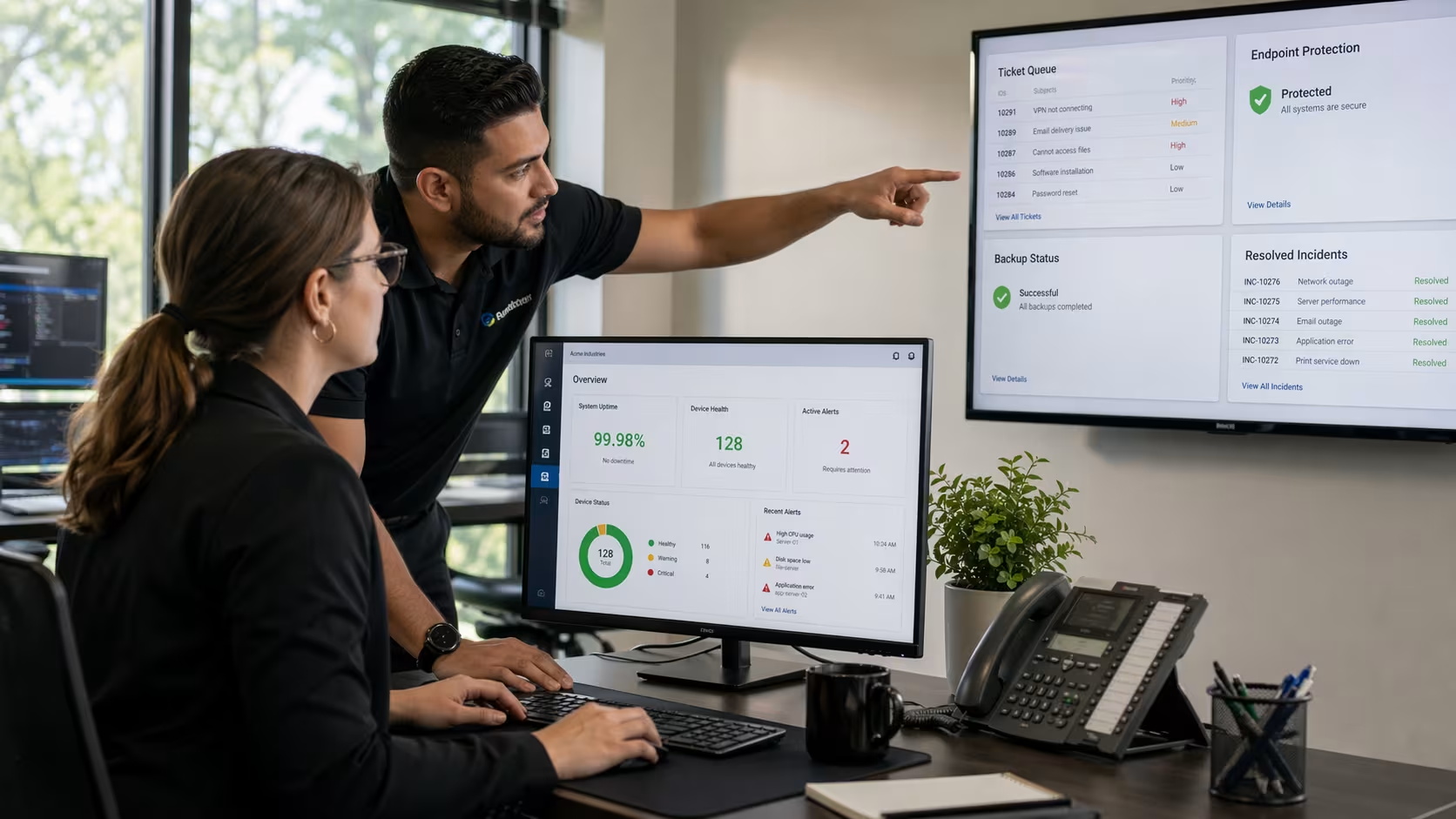
A managed service provider does more than just fix computers. They become a partner in your success by offering ongoing support and advice. This partnership allows you to outsource IT management, freeing up your time to focus on what matters most—your core business.
When you work with a provider, you gain access to a team of experts who understand your business needs. They help you plan for the future, manage risks, and keep your technology aligned with your goals. This support is especially valuable for medium-sized businesses that may not have a full in-house IT team.
Managed IT services offer many advantages beyond basic support. Here are some key areas where they make a difference:
Providers help you stay ahead of security threats and meet compliance requirements. This reduces the risk of data breaches and legal issues.
With proactive monitoring and quick response times, you experience fewer disruptions. This keeps your team productive and your customers happy.
By handling routine IT tasks, your provider lets your staff focus on their main responsibilities. This leads to better results and less frustration.
Many managed IT services include cloud solutions, making it easier to store, share, and protect your data. This flexibility supports remote work and business growth.
Providers can adjust their services as your business grows or changes. This means you only pay for what you need, when you need it.
You benefit from the knowledge and experience of IT management consulting professionals. They guide you in making smart technology decisions for your business.
Having a third-party team monitor your systems adds an extra layer of protection. They can spot issues your internal team might miss, keeping your business safe and efficient.

Switching to managed IT services is a big decision, but it doesn't have to be complicated. Start by identifying your business needs and goals. Make a list of the IT challenges you face and what you want to achieve with a managed service.
Next, research different managed IT service providers and compare their offerings. Look for a partner with experience in your industry and a track record of success. Ask about their service models, response times, and support options to ensure they match your requirements.
Finally, work with your chosen provider to create a plan for onboarding and ongoing support. Set clear expectations, communicate regularly, and review your service agreement to make sure it covers everything you need.
To get the most from your managed IT support, keep these best practices in mind:
Following these steps helps you build a strong partnership and ensures your IT systems support your business goals.

Are you a business with 10-50 users looking for reliable IT support as you grow? Our team specializes in helping growing businesses get the most from managed IT services, so you can focus on your core business and leave the technology to us.
We understand the challenges of managing IT in a fast-changing environment. Let Systems Technology Consultants be your trusted partner for managed IT service solutions. Contact us today to see how we can help your business thrive.
A managed IT service is when you hire a third-party provider to handle your technology needs, instead of relying only on your own staff. This approach lets you access expert help, proactive monitoring, and advanced tools that might be too costly or complex to manage in-house.
Managed IT service providers can offer a wider range of support, often with faster response times and more up-to-date knowledge. This can help organizations reduce downtime and keep systems running smoothly.
Managed service providers use remote monitoring and proactive maintenance to spot problems before they cause outages. This means your business can avoid costly interruptions and keep working efficiently.
By having experts handle your IT systems, you can focus on your business process and trust that issues will be resolved quickly. This is especially helpful for medium-sized businesses that may not have a large IT team.
Managed IT services provide enhanced security and compliance support by keeping your systems up to date and monitoring for threats. Providers help you meet industry standards and protect sensitive data from cyberattacks.
This support ensures your business stays compliant with regulations and avoids fines or legal trouble. It also gives you peace of mind knowing your information is safe.
Managed IT support services enable you to scale up or down as your business changes. You can add new users, devices, or services without major disruptions.
This flexibility helps your business grow smoothly and ensures your technology keeps up with your needs. Providers can adjust their services to match your goals and budget.
When choosing a managed IT service model, think about your business needs, budget, and the level of control you want. Some companies prefer fully managed services, while others choose co-managed options to keep some tasks in-house.
Compare service models, ask about response times, and make sure the provider can support your industry. This helps you find the right fit for your company.
Proactive monitoring from an MSP means your systems are checked regularly for issues. This helps catch problems early, so they don't disrupt your work.
By fixing issues before they become bigger problems, your team can stay productive and avoid unnecessary downtime. This approach supports business growth and keeps your operations running smoothly.
.png)