.svg)

.svg)


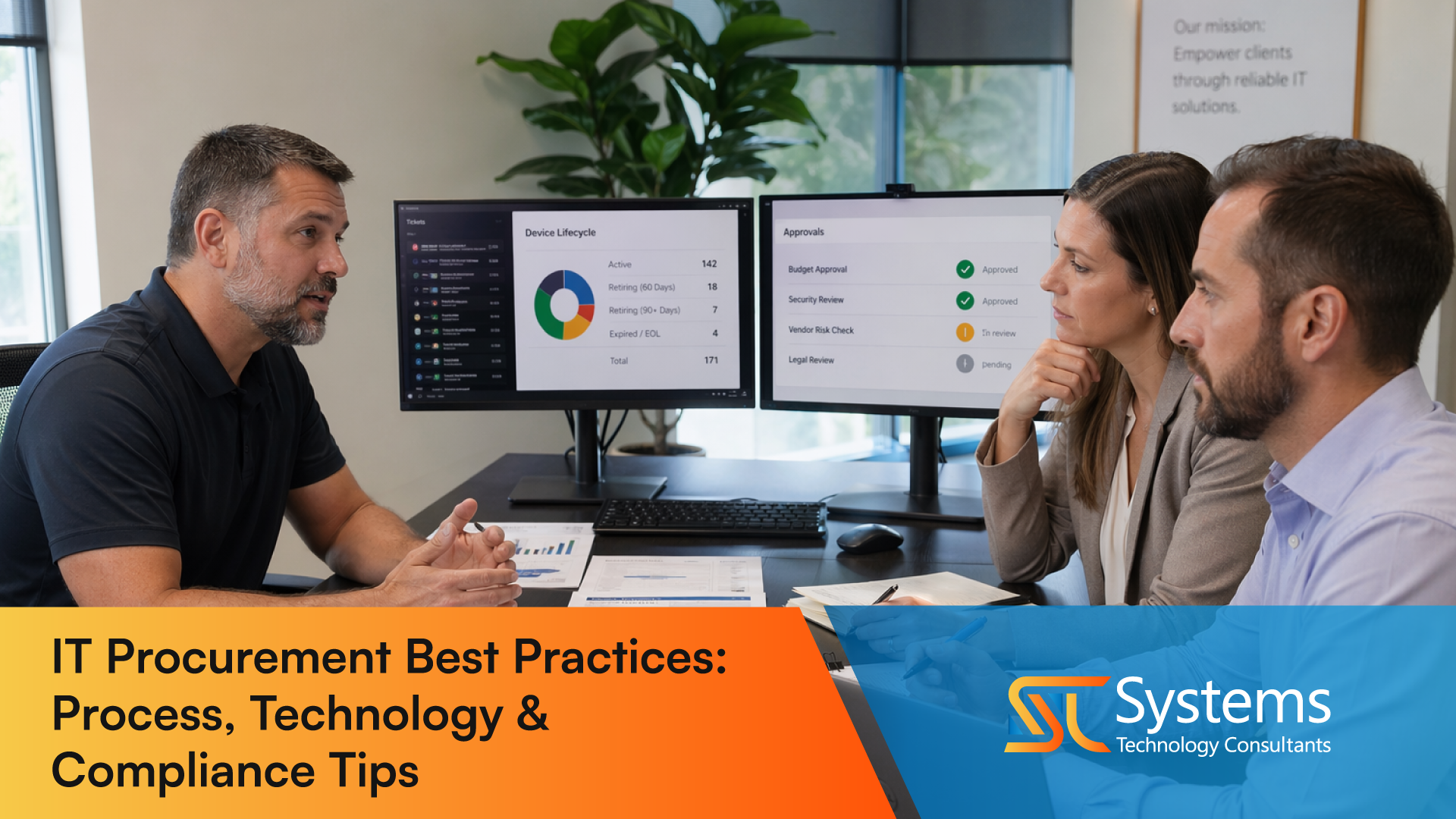
Learn IT procurement best practices for success. Discover actionable IT procurement solutions and IT procurement strategy to optimize your business technology.

April 29, 2026
.avif)
.avif)
.avif)
Managing IT procurement best practices is essential for organizations that want to control costs, reduce risk, and get the most value from their technology investments. In this blog, you'll learn how to set up an effective procurement process, use procurement technology, and avoid common mistakes. We'll also cover how to align your procurement team, improve compliance, and streamline approval workflows for better decision-making and cost savings.
Getting IT procurement right means more than just buying hardware or software. It involves a series of steps that help you identify business needs, source reliable suppliers, and manage vendor relationships. When you follow IT procurement best practices, you can avoid overspend, improve visibility into your procurement lifecycle, and ensure compliance with organizational policies.
A strong procurement strategy should include clear approval workflows, measurable contract terms, and regular risk assessment. This approach helps you optimize your technology investments and keep your procurement process running smoothly. By focusing on the total cost of ownership (TCO) and contract negotiation, you can make better procurement decisions that support your business goals.
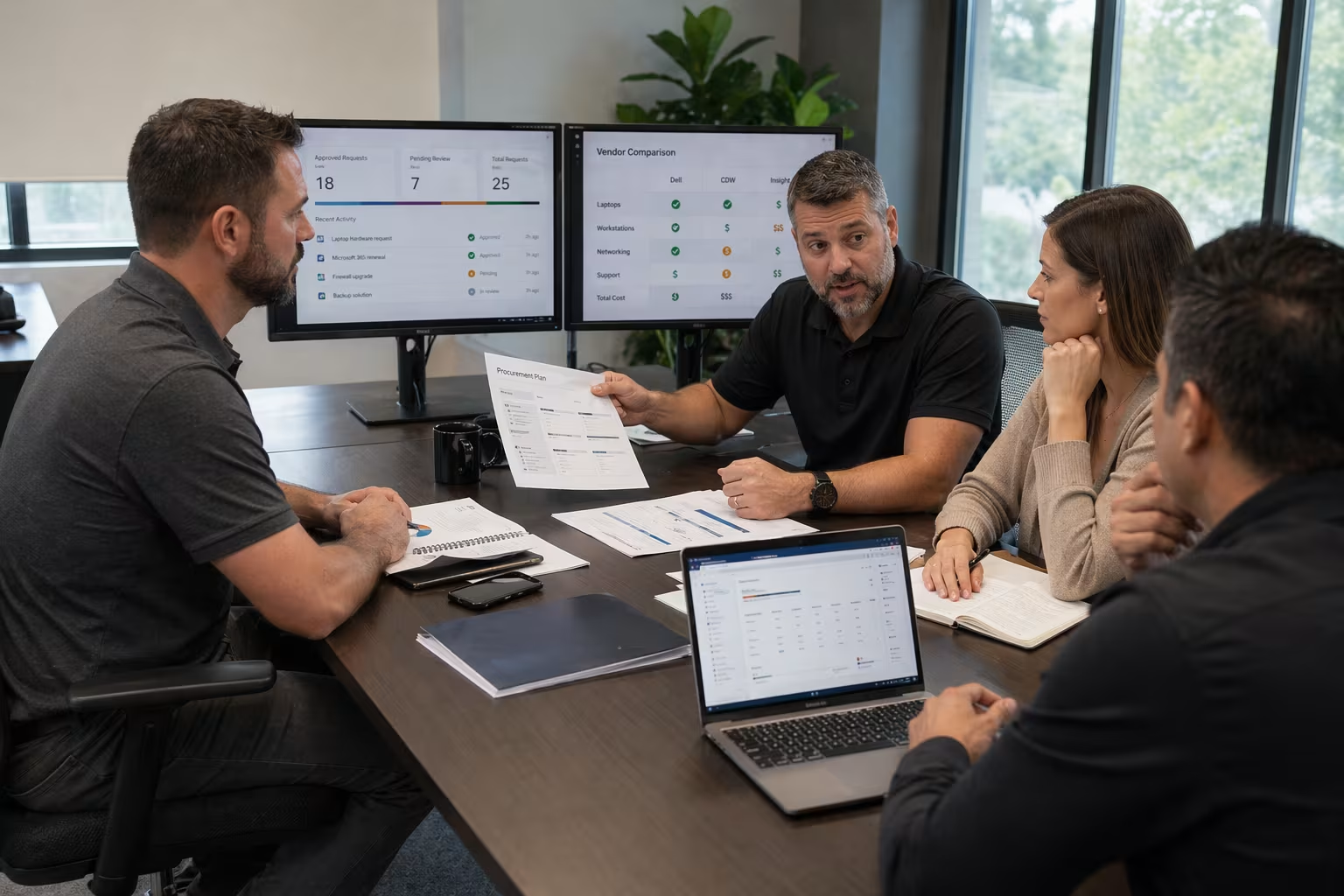
Even experienced teams can make mistakes during the procurement process. Here are some key areas to watch out for and how to address them:
Leaving out key stakeholders can lead to missed requirements and misaligned solutions. Always include input from different departments to ensure the technology fits your business needs.
Ignoring compliance can result in costly penalties or failed audits. Make sure your procurement team understands relevant regulations and includes compliance checks in every step.
Looking only at upfront costs can be misleading. Consider ongoing maintenance, support, and renewal costs to get a full picture of TCO before making a decision.
Choosing a supplier based only on price can lead to unreliable systems. Evaluate vendors based on their track record, support, and ability to align with your procurement strategy.
Accepting standard contract terms can expose your organization to risk. Always negotiate for clear service levels, renewal options, and measurable outcomes.
Implementing new technology without a plan for change management can cause workflow disruptions. Prepare your team and communicate changes early to streamline adoption.
Following a structured approach to IT procurement offers several advantages:

Procurement technology has changed the way organizations manage their IT purchases. Modern management software can automate approval workflows, track contract renewals, and provide real-time visibility into procurement practices. This helps you accelerate decision-making and reduce cycle times.
Using automation also reduces manual errors and streamlines routine tasks. With the right tools, your procurement team can focus on strategic activities like risk assessment and supplier negotiation, rather than paperwork. This shift allows you to optimize your procurement process and align technology investments with your business goals.
Building a strategic IT procurement plan involves several important steps. Here’s how you can make your procurement process more effective:
Start by identifying your business needs and setting clear requirements. This helps you source the right technology and avoid unnecessary purchases.
Make sure your procurement strategy supports your organization's objectives. This alignment ensures technology investments drive measurable results.
Implement management software to automate approval workflows and track procurement activities. Automation saves time and reduces errors.
Work closely with vendors to negotiate favorable contract terms and ensure reliable support. Good relationships can help you accelerate renewals and resolve issues quickly.
Regularly review your procurement process for opportunities to optimize cost savings and improve efficiency. Use measurable data to guide your decisions.
Identify potential procurement challenges early and develop solutions to address them. This proactive approach reduces risk and keeps your procurement lifecycle on track.

Putting IT procurement best practices into action requires a clear plan and ongoing effort. Start by training your procurement team on organizational policies and approval workflows. Encourage open communication between stakeholders to ensure everyone understands their role in the process.
Regularly review your procurement strategy to keep up with new technology and changing business needs. Use management software to track progress and measure outcomes. By staying proactive, you can avoid common pitfalls and achieve better results from your IT investments.
To get the most from your IT procurement process, keep these best practices in mind:
Following these steps will help you build a reliable and effective IT procurement process.

Are you a business with 10-50 users looking to improve your IT procurement process? If your organization is growing and needs reliable systems, our team can help you set up effective IT procurement best practices tailored to your needs.
We understand the challenges of managing procurement, from vendor selection to compliance and contract negotiation. Let Systems Technology Consultants guide you through every step, using proven IT procurement solutions and strategies. Contact us today to learn how we can support your technology goals.
Small and midsize businesses should focus on clear approval workflows and stakeholder involvement. This helps ensure that procurement decisions align with business needs and avoid overspend.
It’s also important to regularly review procurement practices and measure outcomes. Using management software can streamline the process and make it easier to track contract terms and renewal dates.
Improving your procurement process starts with a strong risk assessment and clear contract negotiation. Make sure your procurement team is trained to identify potential risks and address them early.
Regularly review your procurement lifecycle and use automation to reduce manual errors. This approach helps you optimize cost savings and maintain compliance with organizational policies.
Look for management software that offers automation, real-time visibility, and approval workflows. These features help you streamline procurement activities and accelerate decision-making.
Choose a solution that supports contract negotiation and tracks the total cost of ownership. This will help you optimize your technology investments and avoid overspending.
Effective IT procurement includes building strong vendor relationships and negotiating measurable contract terms. Regularly evaluate your suppliers to ensure they meet your business needs.
Maintain open communication and set clear expectations for service levels and renewal options. This approach supports long-term success and reduces procurement challenges.
Organizations often struggle with missed renewal dates and unclear contract terms. To avoid these challenges, use management software to track key dates and automate reminders.
Regularly review your procurement strategy and involve stakeholders in the renewal process. This helps you negotiate better terms and maintain compliance with business goals.
Automation can streamline approval workflows and reduce manual errors, making your procurement process more efficient. It also provides real-time visibility into procurement cycle times and contract terms.
By using automation, you can accelerate decision-making and focus on strategic activities like risk management and supplier negotiation. This leads to more effective IT procurement and better outcomes for your organization.
.png)