.svg)

.svg)


Learn IT procurement best practices for success. Discover actionable IT procurement solutions and IT procurement strategy to optimize your business technology.

April 29, 2026
.avif)
.avif)
.avif)
Protecting your small business from cyber threats is more important than ever. Even if you think your company is too small to be a target, hackers often see small businesses as easy opportunities. In this blog, you'll learn why cybersecurity for small businesses matters, the most common threats, and practical steps you can take to build a safer operation. We'll also cover best practices, how to create a cybersecurity plan, and what to look for in business cybersecurity solutions. Topics like phishing, ransomware, and protecting sensitive information will be explained in simple terms so you can act with confidence
Cybersecurity for small businesses is not just about stopping hackers—it's about keeping your business running smoothly and protecting your reputation. A single breach can lead to lost data, financial loss, and damage to your customers' trust. Small businesses often have fewer resources to recover from an attack, making prevention even more critical.
Many cyber attacks start with simple tricks like phishing emails or malware hidden in attachments. If your team isn't prepared, it only takes one mistake to put your entire operation at risk. That's why understanding the basics of cybersecurity and making it part of your daily business routine is so important.

It's easy to overlook certain risks when you're busy running a business. Here are some of the most common mistakes that can leave your company exposed:
Delaying updates to your operating system or business applications can leave known vulnerabilities open for hackers to exploit. Regular updates help close these security gaps and keep your systems safer.
Using simple passwords or the same password across multiple accounts makes it easier for attackers to break in. Strong, unique passwords for each account are a must.
Relying only on passwords is risky. Multi-factor authentication adds an extra step, like a code sent to your phone, making it much harder for unauthorized users to access your accounts.
Employees who aren't trained on cybersecurity basics may fall for phishing scams or accidentally share sensitive information. Regular training helps everyone spot threats and avoid costly errors.
If ransomware or a data breach hits, having no backup can mean losing everything. Regular, secure backups make it possible to recover quickly without paying a ransom.
Public or poorly secured wi-fi can let hackers snoop on your business traffic. Always use strong wi-fi passwords and consider a separate network for guests.
Phones and tablets often hold sensitive business data. If they're not protected with passwords and encryption, they can be a weak link in your security chain.
Good cybersecurity brings many advantages to your business:

Creating a cybersecurity plan is the foundation of strong protection. Start by identifying what data and systems are most important to your business. Think about where your sensitive information is stored and who has access to it. This helps you focus your efforts where they matter most.
Next, set clear rules for how data should be handled, who can access what, and how to respond if something goes wrong. Regularly review your plan and update it as your business grows or as new threats appear. Involving your team in the process ensures everyone understands their role in keeping the business safe.
Improving your security posture means making your business harder to attack and quicker to recover. Here are key steps to get started:
Begin by looking at your current systems, processes, and data. Identify where you might be vulnerable to cyber attacks, such as outdated software or weak passwords.
Make sure everyone knows how to spot phishing emails, avoid suspicious links, and report anything unusual. Training should be ongoing, not just a one-time event.
Invest in business cybersecurity solutions like antivirus software, firewalls, and secure cloud storage. These tools help block malware and other threats before they cause harm.
Back up your data to a secure location, such as an encrypted external drive or a trusted cloud service. Test your backups regularly to make sure they work.
Limit who can see or change important files. Use permissions and access controls to prevent unauthorized changes or leaks.
Keep an eye on your systems for signs of unusual behavior, like unexpected logins or large data transfers. Early detection can stop a small problem from becoming a big one.
Cyber threats change quickly. Review your cybersecurity plan at least once a year and after any major business changes.
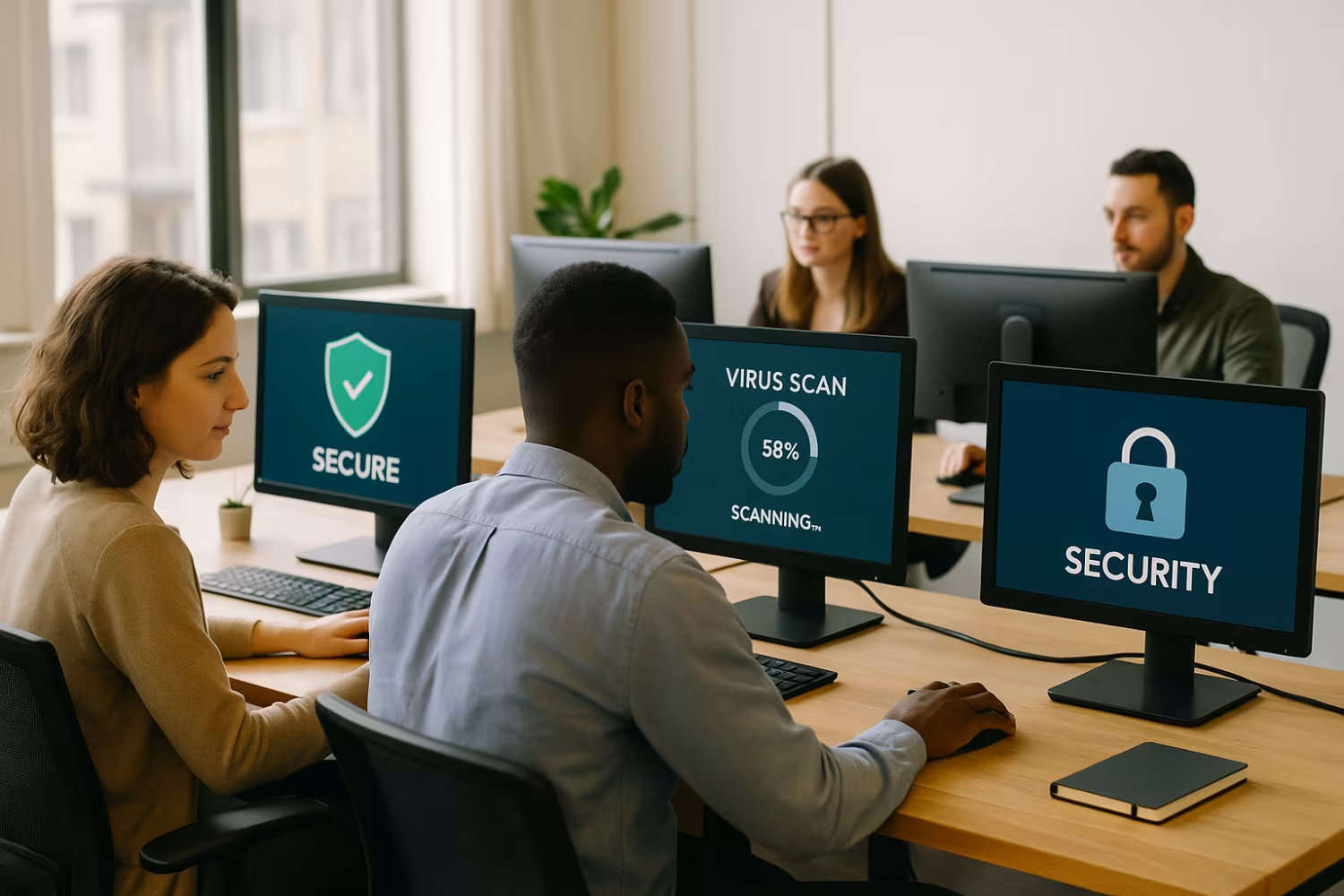
Putting cybersecurity into action doesn't have to be complicated. Start by choosing business cybersecurity solutions that fit your needs and budget. Many providers offer packages designed for small businesses, including antivirus, firewall, and backup tools.
Work with your IT provider to set up these systems and make sure they're kept up to date. Don't forget to secure your wi-fi network and require strong passwords for all devices. Regularly remind your team about the importance of security and encourage them to speak up if they notice anything unusual.
Following best practices can make a big difference in your protection. Here are some to keep in mind:
Staying alert and proactive helps keep your business safe from evolving threats.

Are you a business with 10-50 users looking to strengthen your security? If your company is growing, it's time to make cybersecurity a priority before a problem arises. We understand the unique challenges that small businesses face and can help you build a plan that fits your needs.
Our team at Systems Technology Consultants offers practical, affordable business cybersecurity solutions and guidance. We can help you assess your risks, choose the right tools, and train your staff. Contact us today to get started and protect what matters most.
Small businesses often face threats like phishing attacks, ransomware, and malware. Phishing emails trick employees into sharing sensitive information, while ransomware can lock your files until you pay a fee. Malware can infect your systems through unsafe downloads or links, causing data loss or system damage.
These threats can lead to a data breach or even a complete shutdown of your business operations. It's important to train your team to spot suspicious messages and to keep your systems updated to reduce your cybersecurity risk.
Start by using strong passwords and enabling multi-factor authentication on all accounts. Only give access to sensitive information to employees who need it for their job. Encrypt your files and use secure wi-fi networks to prevent unauthorized users from intercepting your data.
Regularly review who has access to what information and remove permissions when employees leave or change roles. This helps reduce the risk of a breach and keeps your business data safe.
Updating your operating system and software closes security gaps that hackers might use to get into your systems. Each update often includes patches for vulnerabilities that have been discovered since the last version.
If you skip updates, you leave your business open to cyber threats that could have been easily prevented. Set your systems to update automatically or schedule regular checks to stay protected.
A good cybersecurity plan should outline how you protect sensitive data, who is responsible for security tasks, and how to respond to a breach. Include steps for regular backups, employee training, and using reliable business cybersecurity solutions.
Make sure your plan is easy to understand and review it regularly. As your business grows, update your plan to cover new risks and technologies.
Cyber insurance can help cover the costs of a data breach, ransomware attack, or other cyber incidents. It may pay for things like data recovery, legal fees, and notifying affected customers.
While insurance doesn't prevent attacks, it can reduce the financial impact and help your business recover faster. Talk to your provider about what is covered and make sure your policy fits your needs.
The NIST cybersecurity framework is a set of guidelines developed by the National Institute of Standards and Technology. It helps businesses identify, protect, detect, respond to, and recover from cyber threats.
Small businesses can use this framework as a guide to build their own security plan. Even if you don't follow every step, using the framework can help you cover the basics and improve your security posture.
.png)